 Skip to content
What are anabolic steroids?
Anabolic androgenic steroids (AAS) are a type of performance and image enhancing drugs (PIEDs) designed to replicate the effects of the male hormone, testosterone.1 They affect the body in two ways:
- The anabolic effect encourages the development of muscle tissue and helps the body recover more quickly from physical injuries.
- The androgenic effect contributes to the development of traits typically associated with males, such as a deeper voice and the growth of facial hair.1
AAS were initially developed to address hormonal issues and have more recently been used to treat muscle loss caused by conditions such as cancer, severe burns and AIDS. What are anabolic steroids? What are anabolic steroids? What are anabolic steroids?
Due to their ability to enhance muscle growth and performance, non-medical use of AAS became popular among athletes. Over time, their use extended beyond the sporting world, influenced in part by societal expectations around body ideals.
While many people use AAS to improve how they look or perform, some also take them to help with aging or hormone problems.
AAS are often called ‘steroids’, but they’re not the same as other types of steroids like corticosteroids, which are used to treat inflammation. Even though they have some chemical similarities, they work in very different ways and are used for different purposes.
In this page, the term ‘steroid’ specifically refers to anabolic androgenic steroids.
What do steroids look like?
Steroids usually come in tablet form, but may also be available as a liquid, gel or cream.
Other names for steroids
Roids, gear, juice
How are they used?
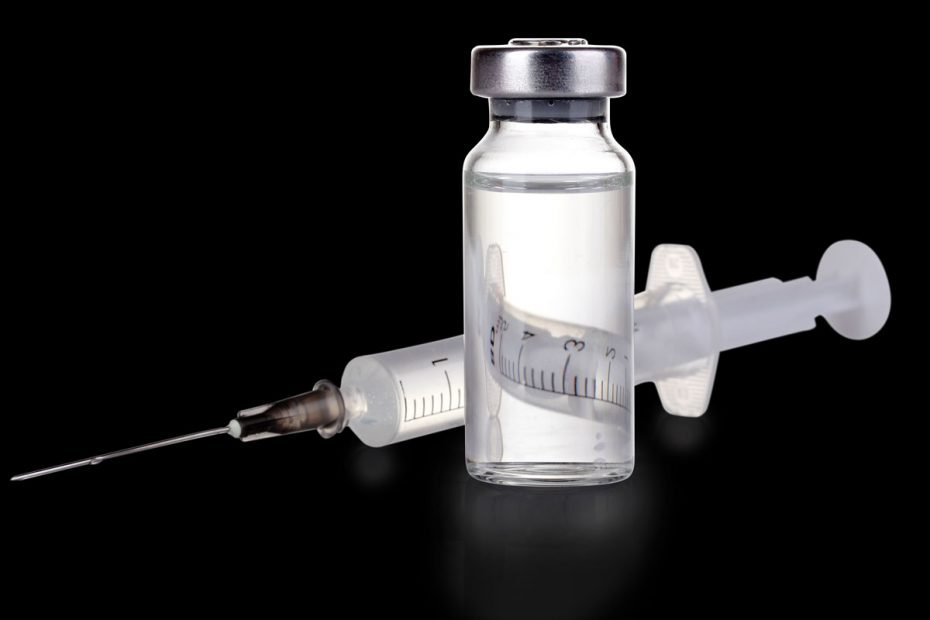
Steroids are usually taken either by injecting them into the muscles, or by swallowing them in pill form. Hi-ground provides a comprehensive list of commonly used AAS injectables and orals in Australia.
People use steroids in different ways. Common methods include:
- Cycling – periods of using steroids followed by a break to allow the body to recover.
- Blast and cruise – switching between high and low doses without taking a full break. This approach may increase health risks due to constant use.1,14
After completing a cycle of steroid use, many people turn to Post Cycle Therapy (PCT), which involves taking other substances to support their body’s recovery by:
- helping restore natural testosterone production
- reducing side effects, such as testicular atrophy (shrinking of the testicles), gynecomastia (development of breasts), and mood changes
- maintaining muscle mass or ‘gains’ acquired during the cycle.15,16
While there are various regimes of PCT reported, common PIEDs used during PCT include:
- Selective Estrogen Receptor Modulators (SERMs), e.g. Tamoxifen (Nolvadex), Clomiphene (Clomid) – to reduce estrogen-related side effects.
- Aromatase Inhibitors (AIs), e.g. Anastrozole (Arimidex) – to reduce estrogen related side effects.
- Human Chorionic Gonadotropin (hCG) – to stimulate natural testosterone production and reverse testicular atrophy (shrinking of the testicles).16
Side effects of anabolic steroids
The use of any drug can have risks. It’s important to be careful when taking any type of drug.
Steroids affect everyone differently, based on:
- size, weight, sex and health
- whether the person is used to taking it
- whether other drugs are taken around the same time
- the amount taken
- the duration of use
- the strength of the drug (varies from batch to batch).
General short-term side effects include:
- water retention and bloating
- fatigue
- sleep problems
- feeling irritated, mood swings or aggression
- changes in sex drive
- male pattern baldness (in both males and females)
- severe skin issues (e.g. rash, acne). 2,17
Males (people assigned male sex at birth) may also experience:
- hypogonadism – decreased natural production of testosterone
- gynecomastia – development of breasts
- testicular atrophy – shrinking of the testicles
- erectile dysfunction
- infertility
- prostate issues. 18-20
Females (people assigned female sex at birth) may also experience:
- excessive hair growth
- breast size reduction
- permanent deepened voice
- clitoral enlargement
- issues with menstrual cycle.18,19
